
Pollinator Plants to add to your garden
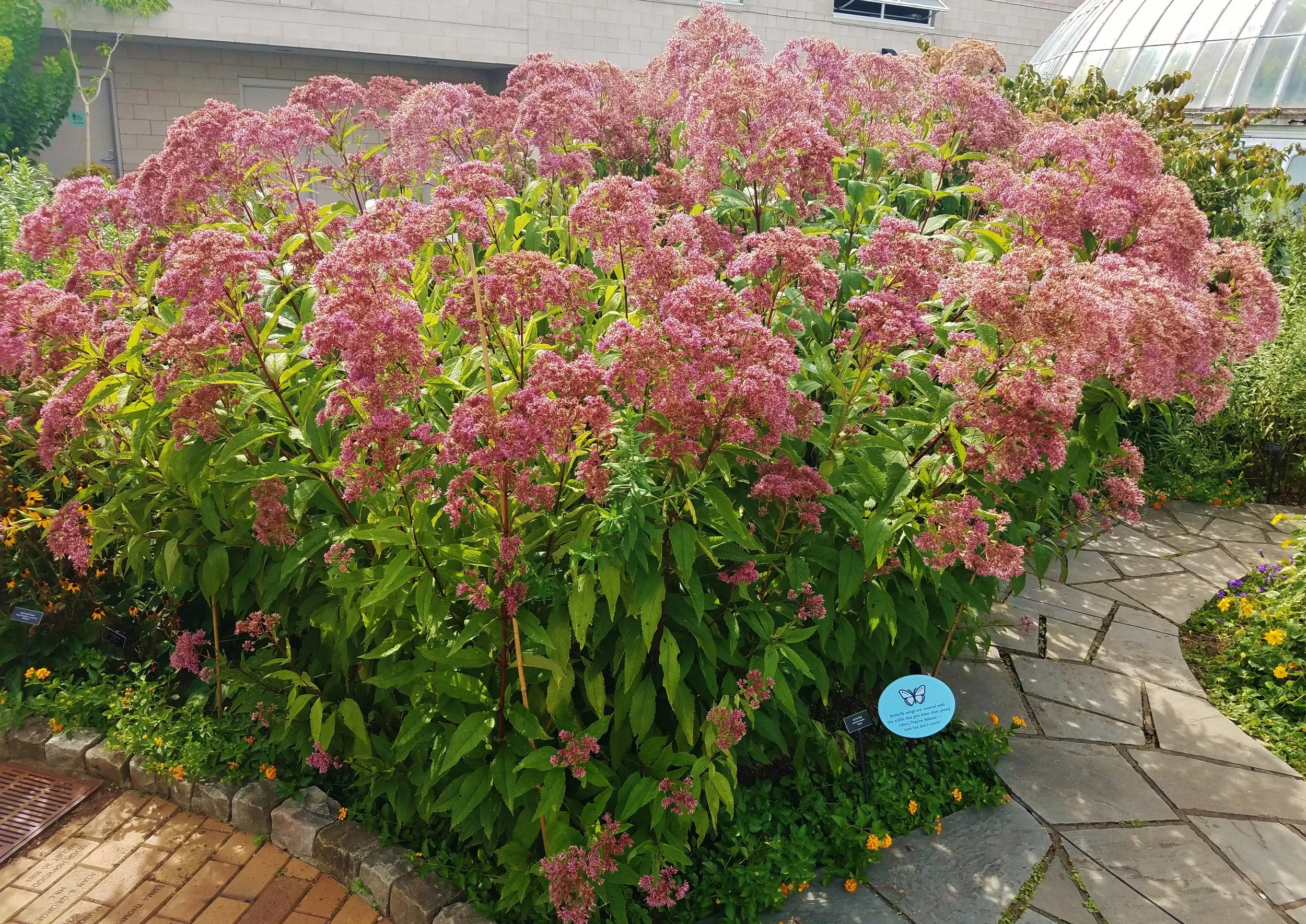
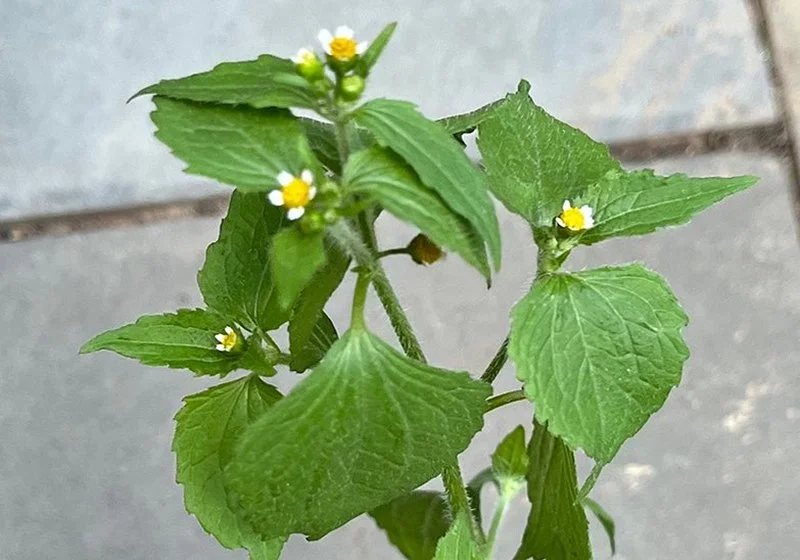
Sometimes weeds get a bad rep and other times they’re truly a nuisance. Joe Pye Weed (Eutrochium purpureum), for example, is a wonderful plant. Towering in fields at 7 feet tall it’s a late bloomer with enormous amounts of nectar accessible to pollinators late in the season. Joe Pye Weed
Joe Pye weed
(Eutrochium purpureum)
Medicinal uses, pollinator value, host habitat for caterpillars, late-summer blooms. There’s not many reasons to call this plant a “weed” in the same vain we typically use the term. It’s a versatile, fast growing, self-seeding pollinator that grows well in moist conditions. Use it on the edge of your tree line, in your rain garden, or in a meadow.
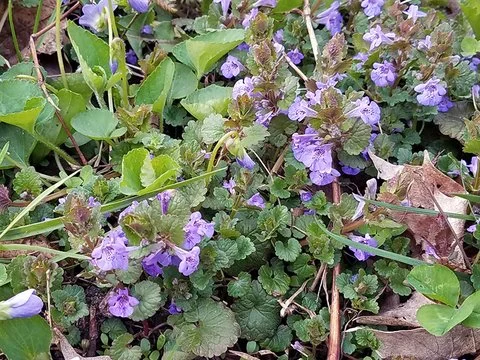
Ground ivy or Creeping Charlie (Glechoma hederacea)
Ground ivy, also called Creeping Charlie, is a low-growing weed with rounded to oval leaves and scalloped edges. It spreads horizontally by stolons and spreads roots by rhizomes. In spring, it produces small tubular purple flowers. Pollinators may visit the flowers, though they are not as valuable as native flowering plants for pollen production. Ground ivy is often found in poor draining soils and may indicate compacted, nutrient-deficient soil. The best time and method for removal is mechanical removal by hand, be sure to get all parts of the plant.
Photo from University of Minnesota Extension.
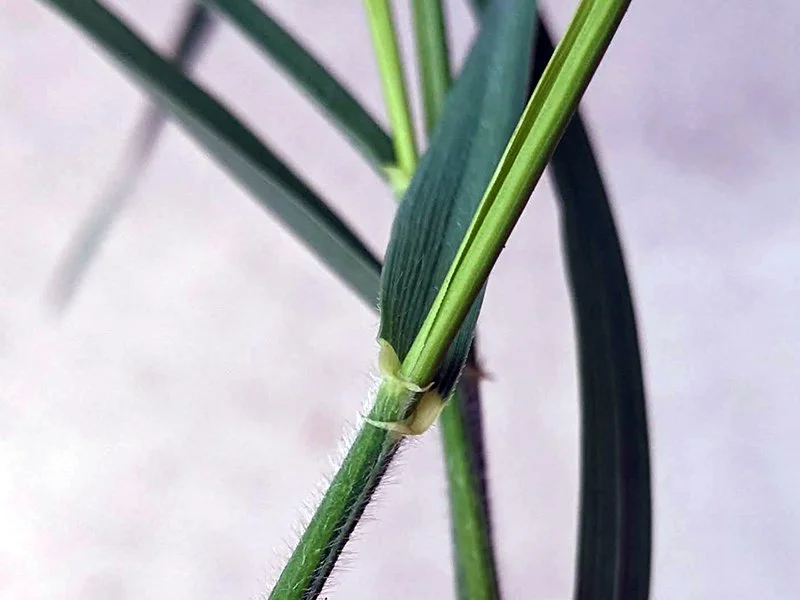
Quack Grass
(Elymus repens)
Quack grass is commonly found in lawns, fields, and meadows. It grows in disturbed soils and spreads aggressively by rhizomes. Because of its extensive root system, mechanical control can be a long-term effort, and tillage is generally not recommended, as it may further spread rhizome fragments. Solarization may be one of the most effective management strategies. The best time for control is during the heat of the summer.
Photo from UMN Extension.
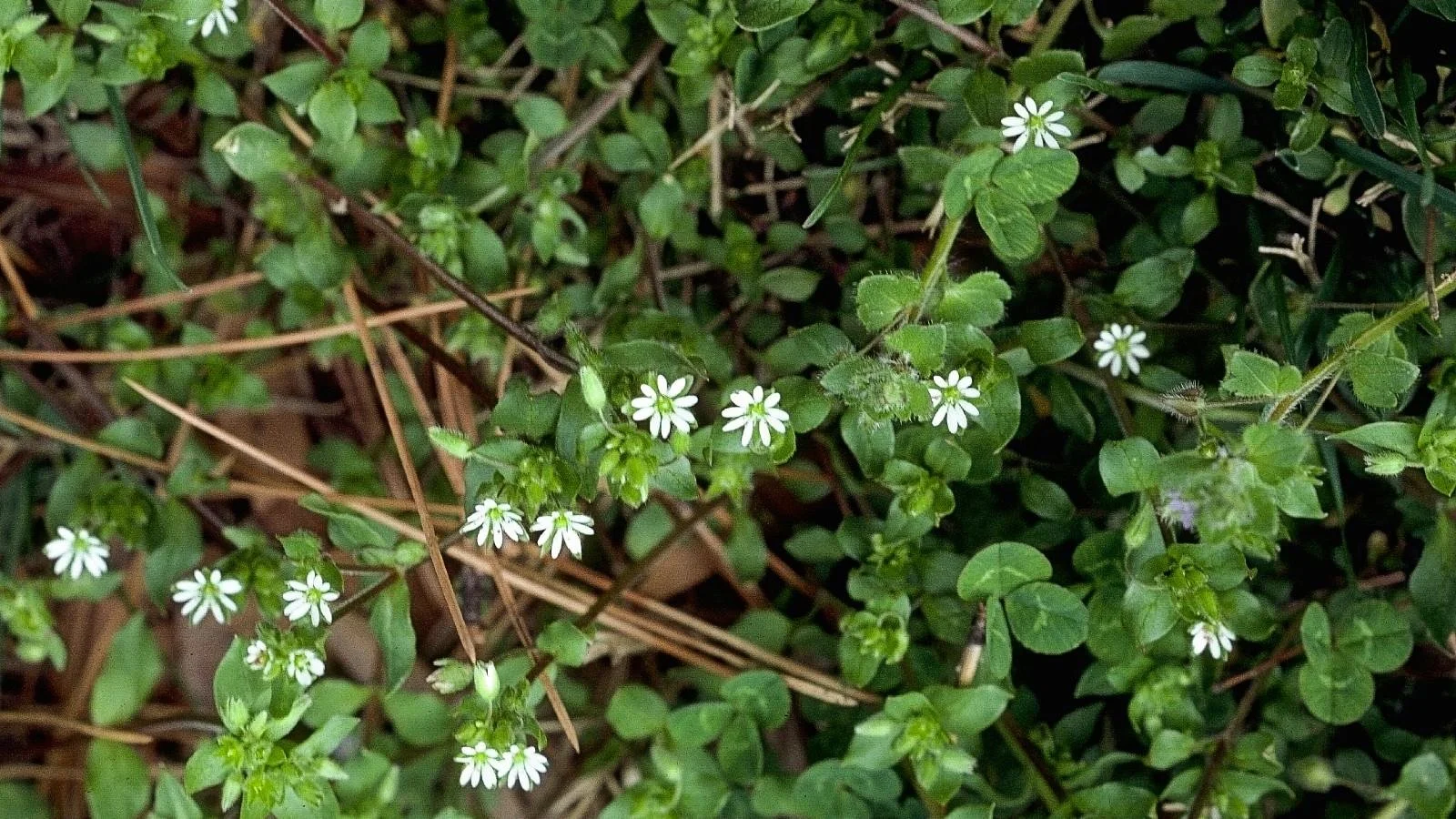
Common Chickweed
(Stellaria media)
Common chickweed is a low-growing, mat-forming weed found in shaded, moist areas of the garden. It has smooth stems and leaves and spreads by a fibrous weak root system. Remove it before it sets seed in spring. Mouse-ear chickweed (Cerastium vulgatum) is similar, but it has hairy stems and leaves and forms even denser mats. The best method for removal is hand weeding.
Photo from University of Maryland Extension.
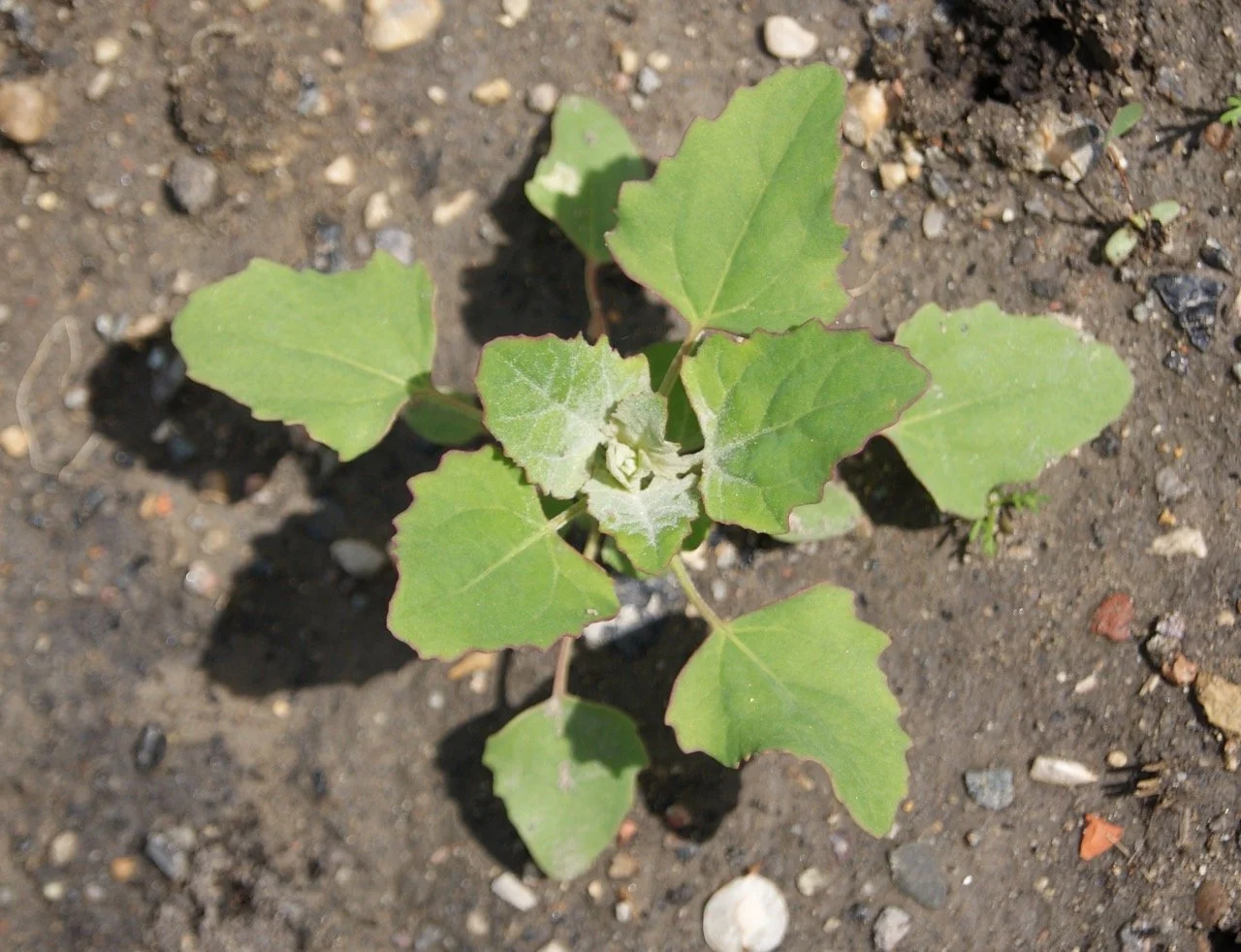
Lambsquarters
(Chenopodium album)
Lambsquarters is a fast-growing weed with young triangular, alternate leaves that are often coated with a white, powdery film. It can grow from 3 inches to 6 feet tall in a single growing season. It spreads by seed, so plants should be pulled and removed from the garden before seeds are set in late summer. Lambsquarters is also called wild spinach and can serve as a bait plant for leaf miners. It is commonly found in gardens and landscapes.
Photo from Iowa State University Extension.